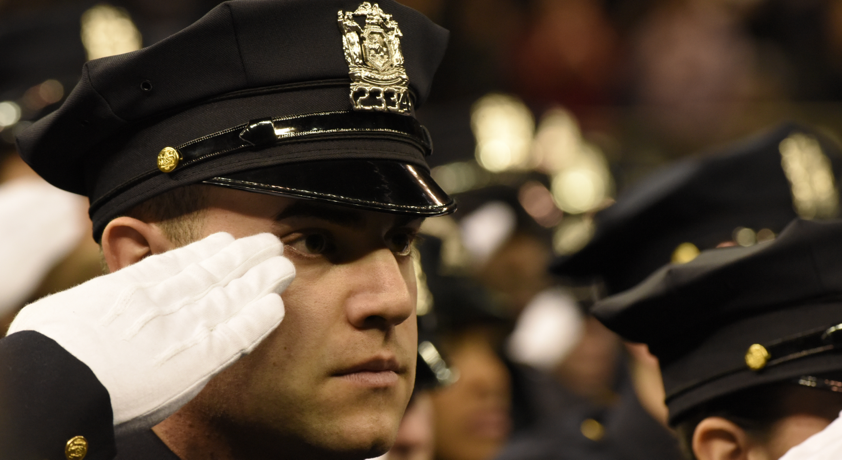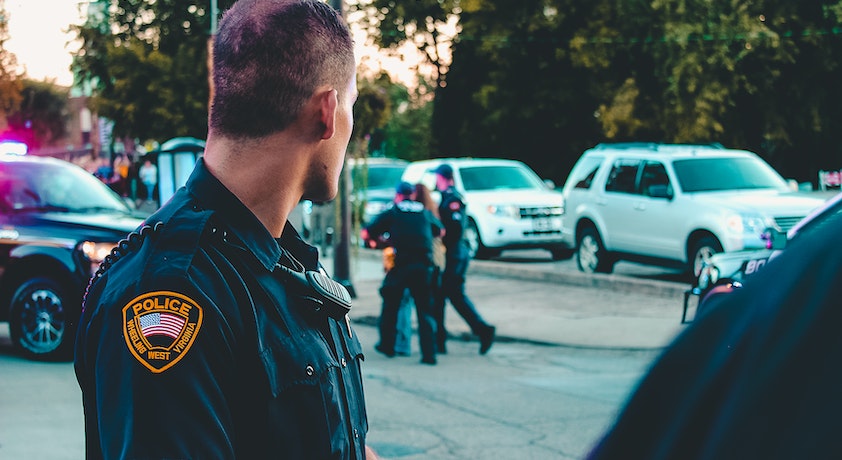
Building a Better Police Force Through Higher Education

Prepare for a Career in Law Enforcement

Discover how higher education can equip you with the skills and knowledge to excel in modern policing

85%

Officers with degrees report higher job satisfaction

2.5x

Faster promotion rate with a degree

95%

Of departments prefer degree-holding candidates

Why Higher Education Matters in Law Enforcement

Modern policing demands more than physical fitness and basic training. A college education provides the intellectual foundation for effective, ethical, and community-oriented law enforcement.

Critical Thinking Skills

Higher education develops analytical and problem-solving abilities essential for complex law enforcement scenarios.

Understanding of Law & Ethics

Comprehensive study of legal systems, constitutional law, and ethical frameworks guides professional decision-making.

Community Relations

Coursework in sociology, psychology, and cultural studies enhances community engagement and de-escalation skills.

Career Advancement

Officers with degrees are promoted faster and have access to specialized roles in federal and investigative positions.

Professional Credibility

A college education demonstrates commitment to the profession and builds public trust in law enforcement.

Lifelong Learning

Higher education instills adaptability and continuous learning mindset crucial for evolving policing challenges.

Career Paths in Law Enforcement

A degree in criminal justice or related field opens doors to diverse and rewarding careers in law enforcement.

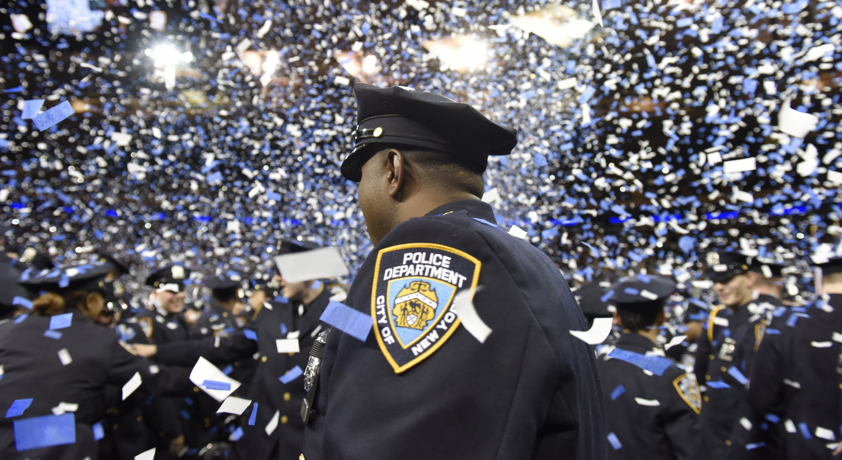
Police Officer

Serve your local community as a patrol officer, detective, or specialized unit member.

Specializations:

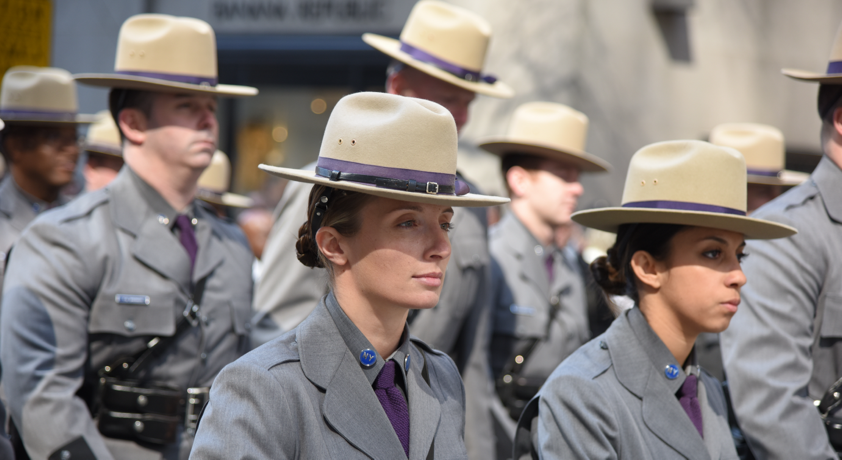
State Trooper

Enforce state laws on highways and rural areas, conduct investigations, and support local agencies.

Specializations:

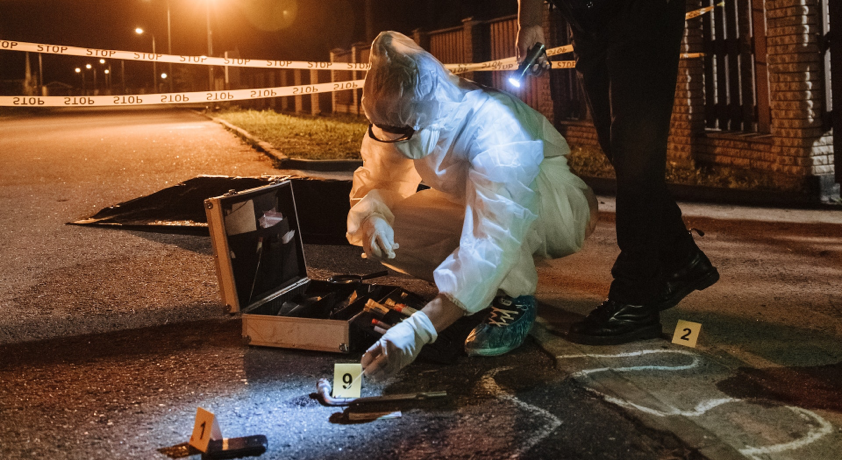
Crime Scene Investigator

Collect and analyze physical evidence from crime scenes using scientific methods and advanced technology.

Specializations:

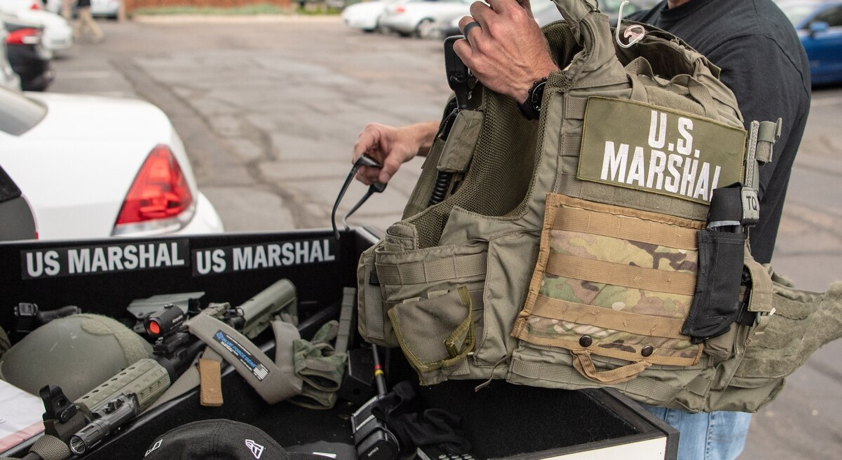
U.S. Marshal

Protect federal courts, apprehend fugitives, transport prisoners, and execute federal warrants nationwide.

Specializations:

Game Warden

Protect natural resources and enforce hunting, fishing, & wildlife regulations as a sworn conservation officer.

Specializations:

Correctional Officer

Oversee individuals in jails, prisons, and detention facilities while maintaining safety protocols.

Specializations:

Education Requirements by Career Level

Understanding the educational pathways to various law enforcement positions helps you plan your career trajectory.

Entry-Level Police Officer (Some Departments)

Limited opportunities; most departments now require college coursework.

Police Officer in Most Departments

Criminal Justice, Law Enforcement, or related field. Sufficient for most municipal positions.

Federal Agent, Detective, Preferred Candidate

Criminal Justice, Criminology, Psychology, or related field. Required for FBI, DEA, and preferred by most agencies.

Leadership Positions, Specialized Units

Criminal Justice, Public Administration, or Forensic Science. Opens doors to command positions and policy roles.

Recommended Coursework

Core Subjects:

Complementary Studies:

Featured Articles

Stay informed with the latest insights on police education, career development, and industry trends.

Ready to Start Your Journey?

Join thousands of officers who have transformed their careers through higher education. Whether you’re just starting out or looking to advance, a college degree is your pathway to success in modern law enforcement.

Resources for Aspiring Officers

Everything you need to start your journey toward a career in law enforcement with a strong educational foundation.

Recommended Pathway

1

Research Programs

Explore accredited Criminal Justice programs that fit your goals

2

Apply for Aid

Complete FAFSA and search for law enforcement scholarships

3

Start Your Journey

Enroll in courses while maintaining physical fitness standards